Innovative Uses for Precast Concrete Magnets in Electrical Engineering
Innovative Uses for Precast Concrete Magnets in Electrical Engineering Table of Contents Understanding Precast Concrete Magnets Benefits of Using Precast Concrete Magnets Applications in Electrical Engineering Enhancing Safety and Efficiency with Precast Magnets The Construction and Installation Process Sustainability Aspects of Precast Concrete Magnets Case Studies an
Innovative Uses for Precast Concrete Magnets in Electrical Engineering
Table of Contents
- Understanding Precast Concrete Magnets
- Benefits of Using Precast Concrete Magnets
- Applications in Electrical Engineering
- Enhancing Safety and Efficiency with Precast Magnets
- The Construction and Installation Process
- Sustainability Aspects of Precast Concrete Magnets
- Case Studies and Success Stories
- Future Trends and Innovations
- Frequently Asked Questions
- Conclusion
Understanding Precast Concrete Magnets
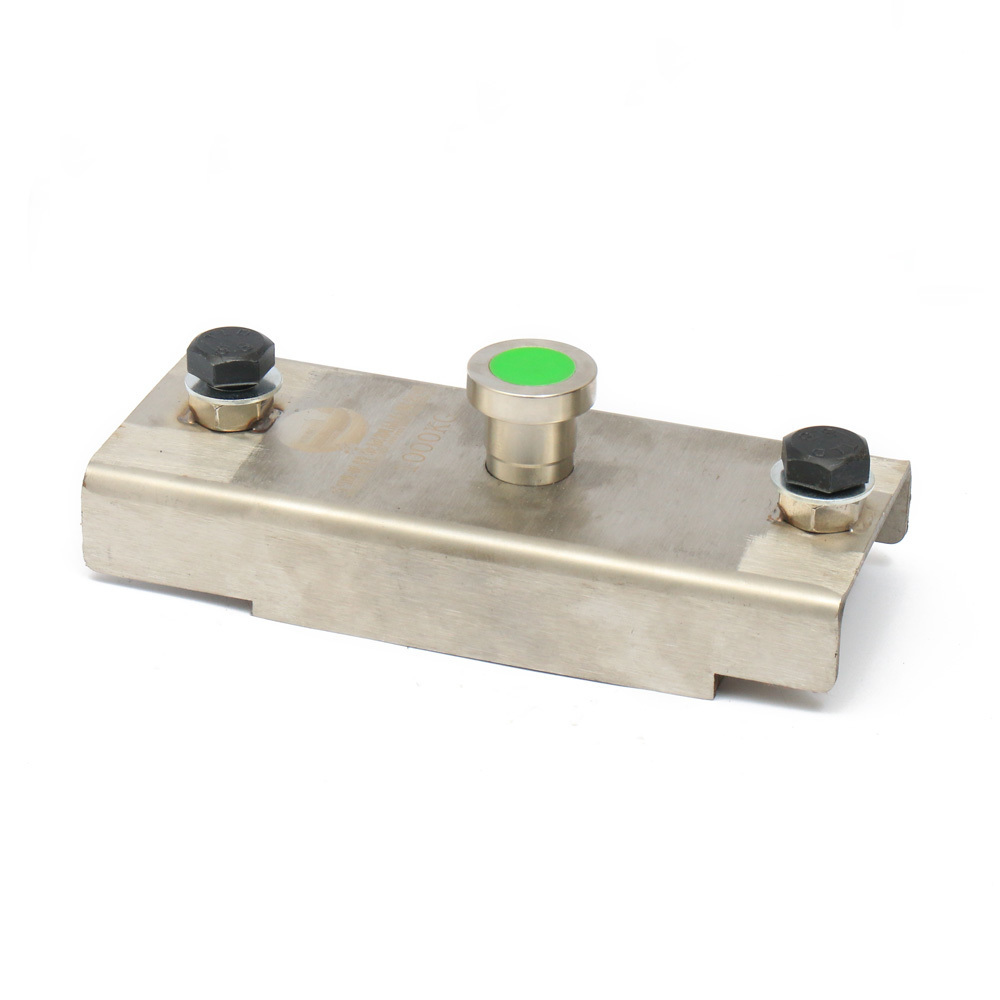
Precast concrete magnets combine the robust characteristics of concrete with magnetic properties, creating a unique material that serves multiple functions in electrical engineering. These magnets are produced in controlled environments, ensuring consistency and reliability in their performance. With a blend of specialized engineering and design, precast concrete magnets are tailored to meet specific project requirements, making them an asset in modern electrical infrastructure.
The Composition of Precast Concrete Magnets
The primary components of precast concrete magnets include traditional concrete materials, such as cement, aggregates, and water, along with ferromagnetic materials that enable magnetic properties. This composition not only imparts strength and durability to the structure but also allows for magnetic attraction, which can be utilized in various engineering applications.
How Precast Concrete Magnets Work
The functionality of precast concrete magnets is based on the principles of magnetism. When ferromagnetic materials are incorporated into the concrete mixture, they create an electromagnetic field that can effectively hold or move metallic objects. This property can be harnessed in numerous electrical engineering applications, from stabilizing equipment to providing magnetic support in construction.
Benefits of Using Precast Concrete Magnets
Precast concrete magnets offer a range of advantages that contribute to their growing utilization in electrical engineering. Understanding these benefits can help professionals make informed decisions about integrating them into projects.
Durability and Longevity
One of the standout features of precast concrete magnets is their durability. Unlike traditional magnetic materials that may degrade over time, precast magnets maintain their magnetic properties and structural integrity, ensuring a long service life.
Versatility in Applications
Precast concrete magnets can be adapted for various uses in electrical engineering. Their versatility allows for innovative solutions in different scenarios, from construction settings to complex electrical systems.
Enhanced Safety Features
Incorporating precast concrete magnets into electrical engineering projects can enhance safety measures. Their ability to securely hold components in place reduces the risk of accidents and equipment malfunctions, contributing to a safer working environment.
Applications in Electrical Engineering
The applications of precast concrete magnets in electrical engineering are vast and varied. They can be utilized in several contexts to improve efficiency and effectiveness in projects.
Magnetic Bracing for Structural Support
In electrical installations, structural support is crucial. Precast concrete magnets can be employed as magnetic braces to hold equipment securely in place, ensuring stability and preventing shift during operations.
Magnetic Field Manipulation
Precast concrete magnets facilitate the manipulation of magnetic fields, which plays a pivotal role in various electrical systems. This capability can be harnessed in applications such as power generation and distribution systems, enhancing overall efficiency.
Equipment Stabilization
Electrical engineering projects often require stabilization of equipment, particularly in dynamic environments. Precast concrete magnets provide a reliable means of securing devices, minimizing vibrations, and ensuring precise functioning.
Custom Solutions for Specific Needs
The adaptability of precast concrete magnets allows engineers to create custom solutions tailored to the specific needs of a project. This customization ensures that engineers can address unique challenges with innovative approaches.
Enhancing Safety and Efficiency with Precast Magnets
Safety and efficiency are paramount in electrical engineering. Precast concrete magnets enhance both aspects, making them invaluable assets in the industry.
Reducing the Risk of Injury
By securely holding equipment in place, precast concrete magnets significantly reduce the risk of injuries related to equipment shifting or falling. This added safety feature is crucial in high-stakes environments.
Streamlining Installation Processes
Using precast concrete magnets simplifies installation processes. Their robust nature allows for quicker setup times, reducing labor costs and ensuring projects stay on schedule.
Improving System Reliability
The reliability of electrical systems is essential for long-term success. Precast concrete magnets contribute to enhanced system reliability by minimizing the likelihood of equipment failure due to vibration or instability.
The Construction and Installation Process
The efficient construction and installation of precast concrete magnets require a well-structured process. Understanding this process can help stakeholders ensure successful implementation in electrical projects.
Manufacturing Precast Concrete Magnets
The manufacturing process begins with selecting high-quality raw materials. Mixing the components in precise ratios, the production team creates concrete blocks embedded with ferromagnetic materials, ensuring optimal magnetic properties.
Quality Control Measures
Quality control is a critical aspect of manufacturing precast concrete magnets. Regular testing and inspections help maintain standards, ensuring that the final product meets industry requirements.
Installation Techniques
The installation of precast concrete magnets involves strategic planning. Engineers must assess the project site, determining the optimal placement for maximum efficacy. Following installation, thorough testing ensures the magnets perform as intended.
Sustainability Aspects of Precast Concrete Magnets
Sustainability is becoming increasingly important in engineering practices. Precast concrete magnets offer environmentally friendly solutions that align with modern sustainability goals.
Eco-Friendly Materials
The use of eco-friendly materials in the production of precast concrete magnets contributes to reducing the carbon footprint associated with electrical engineering projects. By opting for sustainable resources, engineers can promote greener practices.
Waste Reduction Techniques
The precast method allows for efficient use of materials, minimizing waste during the manufacturing process. This waste reduction is essential in promoting sustainable engineering practices.
Energy Efficiency
Integrating precast concrete magnets in electrical systems can lead to improved energy efficiency. Their ability to stabilize and enhance system performance results in lower energy consumption, contributing to overall sustainability goals.
Case Studies and Success Stories
Examining real-world applications of precast concrete magnets provides valuable insights into their effectiveness in electrical engineering.
Project 1: Urban Infrastructure Development
In a recent urban infrastructure project, engineers utilized precast concrete magnets to stabilize electrical equipment along busy roadways. The magnets provided a reliable solution, ensuring equipment remained secure and operational in high-traffic areas.
Project 2: Manufacturing Facility Expansion
During the expansion of a manufacturing facility, precast concrete magnets were employed to enhance the stability of heavy electrical machinery. The successful integration led to improved operational efficiency and minimized downtime.
Project 3: Renewable Energy Systems
In a renewable energy project, precast concrete magnets played a crucial role in stabilizing solar panel arrays. Their magnetic properties ensured that the panels remained aligned and functional, contributing to the overall success of the project.
Future Trends and Innovations
The future of precast concrete magnets in electrical engineering looks promising, with several trends and innovations on the horizon.
Advancements in Magnetic Materials
Ongoing research in magnetic materials is likely to lead to enhanced performance of precast concrete magnets. Innovations in this area could further improve their efficiency and applicability across various engineering contexts.
Smart Integration with IoT
The integration of precast concrete magnets with Internet of Things (IoT) technology presents exciting opportunities for monitoring and controlling electrical systems. This smart integration could revolutionize how engineers approach project management and system optimization.
Customizable Solutions for Emerging Challenges
As electrical engineering faces new challenges, the demand for customizable precast concrete magnet solutions will increase. Engineers will need to adapt these materials to address unique project requirements effectively.
Frequently Asked Questions
What are precast concrete magnets?
Precast concrete magnets are construction materials that combine traditional concrete with magnetic properties, enabling them to hold or manipulate metallic objects in various applications.
How are precast concrete magnets manufactured?
The manufacturing process involves mixing high-quality concrete materials with ferromagnetic components, followed by a controlled curing process to ensure desired properties.
What are the benefits of using precast concrete magnets in electrical engineering?
Benefits include durability, versatility, enhanced safety, and the ability to streamline installation processes, which contribute to overall project efficiency.
Can precast concrete magnets be customized for specific projects?
Yes, precast concrete magnets can be tailored to meet specific project requirements, allowing engineers to address unique challenges effectively.
How do precast concrete magnets contribute to sustainability in engineering?
Precast concrete magnets promote sustainability by utilizing eco-friendly materials, reducing waste, and improving energy efficiency in electrical systems.
Conclusion
In summary, precast concrete magnets represent a significant advancement in electrical engineering, offering innovative solutions that enhance efficiency, safety, and sustainability. Their unique properties and versatility make them ideal for a wide range of applications, from stabilizing equipment to improving system performance. As the industry evolves, the integration of precast concrete magnets is poised to play a crucial role in shaping the future of electrical infrastructure. By embracing these groundbreaking materials, engineers can address contemporary challenges while paving the way for a more sustainable and efficient future in electrical engineering.
MORE
18 Jan,2025
Magnetic Box Maintenance Notice Manual

03 Feb,2026
Precast Concrete Magnet: A Key Tool for Improving Production Efficiency of Prefabricated Components

Ningbo Yati Metal Products Co., Ltd.
No. 55, Meiliangqiao Village, Hengjie Town, Haishu District, Ningbo City, Zhejiang Province