The Power of Magnets: Enhancing Precast Formwork Systems
The Power of Magnets: Enhancing Precast Formwork Systems Table of Contents 1. Introduction to Precast Formwork Systems 2. Understanding Magnets and Their Types 3. Importance of Magnets in Construction 4. Benefits of Using Magnets in Precast Formwork 5. Applications of Magnetic Materials in Precast Formwork 6. Challenges and Solutions 7. The Future of
The Power of Magnets: Enhancing Precast Formwork Systems
Table of Contents
- 1. Introduction to Precast Formwork Systems
- 2. Understanding Magnets and Their Types
- 3. Importance of Magnets in Construction
- 4. Benefits of Using Magnets in Precast Formwork
- 5. Applications of Magnetic Materials in Precast Formwork
- 6. Challenges and Solutions
- 7. The Future of Magnetic Technology in Construction
- 8. Conclusion
- 9. FAQs
1. Introduction to Precast Formwork Systems
The construction industry is ever-evolving, and precast formwork systems have emerged as a vital component in modern construction projects. These systems facilitate the creation of complex structures efficiently and cost-effectively. By utilizing precast concrete elements, contractors can significantly reduce on-site construction time, minimize waste, and enhance overall quality. However, achieving optimal results with precast systems requires innovative solutions that address challenges such as alignment, stability, and assembly speed.
This is where **magnets** come into play, revolutionizing the way formwork is designed and utilized. By integrating magnetic technologies, construction teams can streamline processes, improve accuracy, and enhance the longevity of their projects.
2. Understanding Magnets and Their Types
Magnets are objects that produce a magnetic field, allowing them to attract or repel other magnetic materials. They can be classified into several categories based on their composition and properties:
2.1 Permanent Magnets
These magnets maintain their magnetism without an external power source. Common examples include neodymium and ferrite magnets, which are used extensively in construction due to their strength and reliability.
2.2 Electromagnets
Electromagnets rely on an electric current to generate a magnetic field. They can be turned on and off, providing flexibility in various applications. This capability makes them useful in temporary formwork systems or situations requiring adjustable magnetic forces.
2.3 Soft and Hard Magnets
Soft magnets can be magnetized and demagnetized easily, making them suitable for applications where frequent magnetic changes are necessary. Hard magnets, conversely, retain their magnetism and are used in applications requiring a consistent magnetic field.
3. Importance of Magnets in Construction
In the construction sector, magnets play a crucial role in enhancing the efficiency and effectiveness of various processes. Here are some key reasons why magnets are important in construction:
3.1 Improved Assembly Speed
Magnets significantly reduce the time required for assembling formwork systems. Magnetic attachments allow for quicker positioning and alignment of components, minimizing delays and improving productivity on site.
3.2 Enhanced Accuracy
Using magnets ensures precise alignment of precast elements, which is vital for the structural integrity of the final product. This accuracy reduces the need for time-consuming adjustments during installation, leading to better outcomes.
3.3 Cost-Effectiveness
The integration of magnetic systems can ultimately lead to significant cost savings. By improving assembly speed and accuracy, projects can be completed in less time, reducing labor costs and minimizing material waste.
4. Benefits of Using Magnets in Precast Formwork
Utilizing magnets in precast formwork systems offers several benefits that contribute to better construction practices:
4.1 Versatility of Application
Magnets can be adapted to various types of precast elements, providing flexibility that traditional fastening methods lack. This versatility allows construction teams to customize their approach based on project requirements.
4.2 Increased Safety
The use of magnets can enhance safety on construction sites. By eliminating the need for additional tools and fasteners, workers spend less time handling heavy materials, reducing the risk of accidents and injuries.
4.3 Environmental Sustainability
Magnets promote environmentally friendly construction practices by minimizing waste and allowing for the reuse of materials. Efficient assembly processes contribute to reduced energy consumption and a lower carbon footprint.
5. Applications of Magnetic Materials in Precast Formwork
Magnets have found numerous applications in precast formwork systems, enhancing various aspects of the construction process:
5.1 Magnetic Bracing Systems
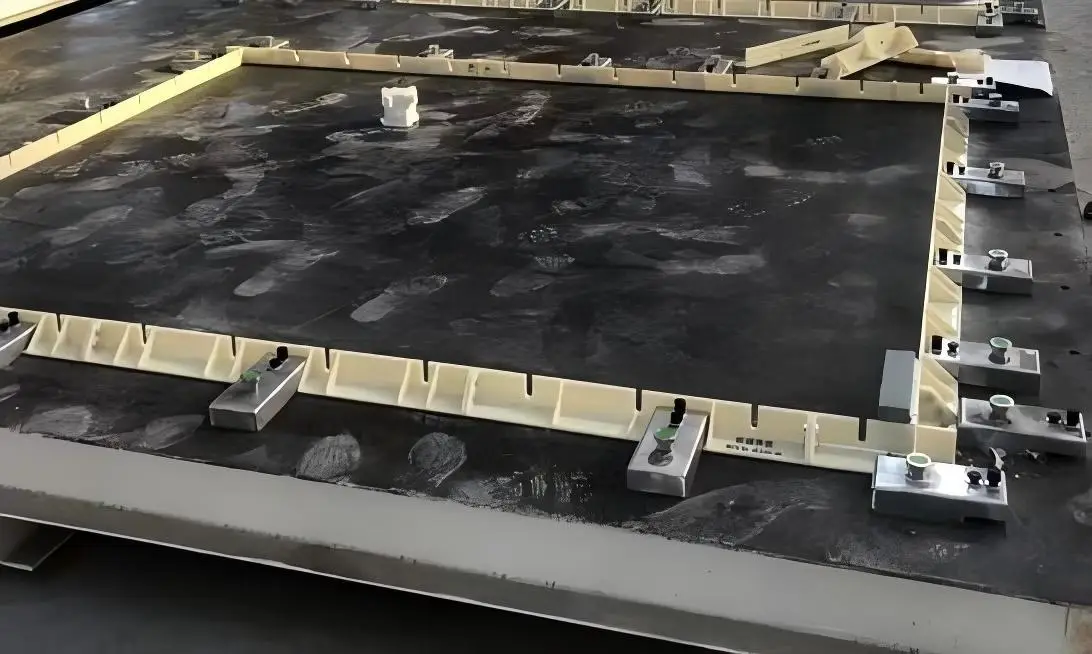
Magnetic bracing systems provide temporary support for precast elements during installation. By using magnets to secure elements in place, contractors can easily adjust their positioning without the need for cumbersome supports.
5.2 Magnetic Anchoring
Magnets can be employed to anchor precast components to their foundations. This technique ensures stability during the curing process and provides a solid base for further construction.
5.3 Modular Construction
In modular construction, magnets facilitate rapid assembly and disassembly of precast sections. This approach allows for customizable designs that can be modified or expanded easily over time.
6. Challenges and Solutions
While the integration of magnets in precast formwork systems presents numerous advantages, some challenges need to be addressed:
6.1 Magnetic Forces and Material Compatibility
Not all materials are compatible with magnetic applications. Identifying appropriate materials that can effectively interact with magnets is crucial for successful implementation.
6.2 Environmental Factors
Magnetic performance can be influenced by environmental factors, such as temperature and humidity. Effective engineering and material selection can mitigate these issues, ensuring consistent performance.
6.3 Initial Costs
The upfront costs associated with implementing magnetic systems can be a barrier for some projects. However, the long-term savings and benefits frequently outweigh initial investments, making them a worthwhile consideration.
7. The Future of Magnetic Technology in Construction
As technology advances, the future of magnetic applications in construction looks promising. Ongoing research and development aim to enhance magnetic materials and their integration into construction practices. Key areas of focus include:
7.1 Smart Magnets
Emerging technologies are paving the way for smart magnets that can be controlled remotely or adjusted on demand. This innovation will provide unprecedented flexibility in construction, allowing for dynamic adaptation to changing project needs.
7.2 Advanced Materials
Research into new magnetic materials will likely lead to stronger, lighter, and more durable options, further improving the effectiveness of magnetic applications in precast formwork systems.
7.3 Increased Adoption Across Industries
As more industries recognize the benefits of magnetic technology, we can expect broader adoption in various construction sectors. This trend will drive innovation and inspire new applications, ultimately changing how precast systems are designed and implemented.
8. Conclusion
The incorporation of **magnets** into precast formwork systems is a game-changer in the construction industry. By enhancing assembly speed, accuracy, and safety, magnets are redefining traditional practices and paving the way for more efficient and sustainable construction methods. As technology continues to evolve, the potential applications of magnets in construction will expand, providing new opportunities for innovation and efficiency. Embracing magnetic solutions is not just a trend; it is a necessary step towards a more advanced and adaptable construction industry.
9. FAQs
9.1 What are the main benefits of using magnets in precast formwork?
Magnets improve assembly speed, enhance accuracy, increase safety, and promote environmental sustainability in precast formwork applications.
9.2 Can magnets be used with all types of precast materials?
While magnets can be versatile, compatibility with specific materials must be assessed to ensure effectiveness.
9.3 How do magnetic systems contribute to safety on construction sites?
Magnets eliminate the need for additional tools and fasteners, reducing the handling of heavy materials and minimizing the risk of accidents.
9.4 Are there any environmental concerns associated with magnetic technology?
Magnetic technology promotes sustainability by minimizing waste and allowing for the reuse of materials, thus reducing the overall environmental impact.
9.5 What is the future of magnetic technology in the construction industry?
The future of magnetic technology looks promising, with developments in smart magnets, advanced materials, and increased adoption across various construction sectors.
MORE
18 Jan,2025
Magnetic Box Maintenance Notice Manual

03 Feb,2026
Precast Concrete Magnet: A Key Tool for Improving Production Efficiency of Prefabricated Components

Ningbo Yati Metal Products Co., Ltd.
No. 55, Meiliangqiao Village, Hengjie Town, Haishu District, Ningbo City, Zhejiang Province