The Role of Precast Concrete Magnets in Modern Electrical Systems
The Role of Precast Concrete Magnets in Modern Electrical Systems Table of Contents 1. Introduction to Precast Concrete Magnets 2. Benefits of Using Precast Concrete Magnets in Electrical Systems 3. Applications of Precast Concrete Magnets in Electrical Systems 4. Design Considerations for Precast Concrete Magnets 5. The Manufacturing Process of Precast Concrete Magnets 6.
The Role of Precast Concrete Magnets in Modern Electrical Systems
Table of Contents
- 1. Introduction to Precast Concrete Magnets
- 2. Benefits of Using Precast Concrete Magnets in Electrical Systems
- 3. Applications of Precast Concrete Magnets in Electrical Systems
- 4. Design Considerations for Precast Concrete Magnets
- 5. The Manufacturing Process of Precast Concrete Magnets
- 6. Durability and Maintenance of Precast Concrete Magnets
- 7. Future Trends in Precast Concrete Magnet Technology
- 8. Conclusion
- 9. Frequently Asked Questions (FAQs)
1. Introduction to Precast Concrete Magnets
In an era where efficiency and reliability are paramount, the integration of **precast concrete magnets** into modern electrical systems has emerged as a game-changer. These specialized magnets serve as critical components in various applications, enhancing the performance and durability of electrical systems across numerous industries. By understanding their role, we can appreciate how these innovative materials are reshaping the landscape of electrical engineering.
Precast concrete magnets are designed to facilitate the construction of electrical systems that are not only robust but also adaptable to diverse environments. Unlike traditional magnetic materials, these products combine the inherent strength of concrete with magnetic properties, leading to unique solutions that meet the stringent demands of modern electrical applications.
2. Benefits of Using Precast Concrete Magnets in Electrical Systems
The adoption of precast concrete magnets offers several compelling benefits, making them an attractive choice for engineers and builders alike:
2.1 Enhanced Strength and Stability
Precast concrete magnets are engineered to withstand significant physical stresses. This durability ensures that electrical systems maintain their integrity over time, even in challenging conditions. Their stable construction minimizes the risk of damage from environmental factors, such as extreme weather or seismic activity.
2.2 Improved Efficiency
The unique properties of precast concrete magnets enable the **efficient transfer of magnetic forces** within electrical systems. This efficiency translates to reduced energy losses, which is crucial for optimizing overall system performance. In applications such as transformers and inductors, this efficiency can lead to significant cost savings for businesses.
2.3 Versatility in Applications
Precast concrete magnets are not limited to a single application; their versatility allows them to be used in various settings, including power generation, transmission, and distribution systems. This adaptability makes them an essential component in the ever-evolving landscape of electrical engineering.
3. Applications of Precast Concrete Magnets in Electrical Systems
The applications of precast concrete magnets span multiple sectors, underscoring their relevance in modern electrical systems. Some prominent applications include:
3.1 Power Generation
In power generation facilities, precast concrete magnets can be utilized to enhance the efficiency of generators and transformers. By providing stable magnetic fields, these magnets help optimize energy conversion processes, leading to more sustainable power production.
3.2 Electrical Distribution
During electrical distribution, precast concrete magnets play a vital role in the construction of substations and distribution centers. Their ability to withstand environmental challenges ensures that electrical systems remain functional and reliable, even in adverse conditions.
3.3 Renewable Energy Systems
As the world shifts towards renewable energy, precast concrete magnets have found a place in wind and solar power systems. They facilitate efficient energy storage and distribution, supporting the growth of sustainable energy technologies.
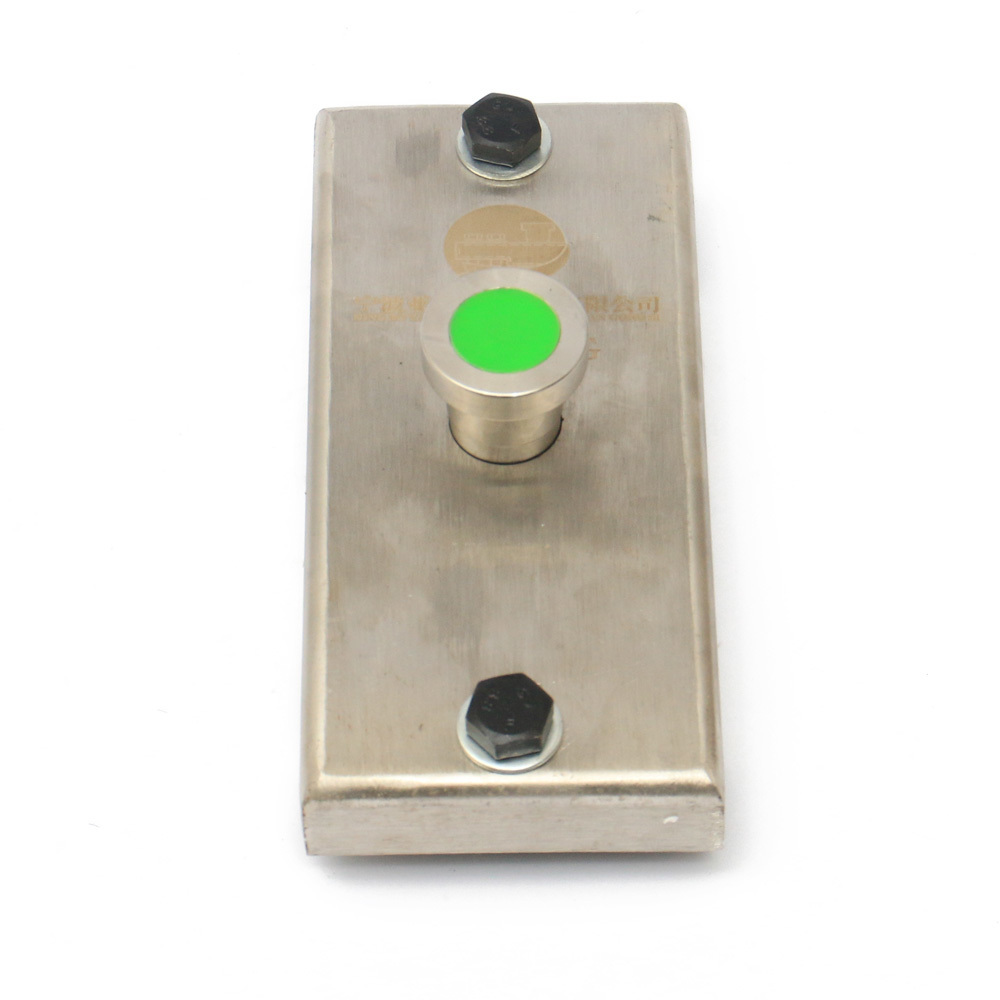
4. Design Considerations for Precast Concrete Magnets
When designing precast concrete magnets, several key considerations must be taken into account to maximize their effectiveness:
4.1 Magnetic Field Requirements
Understanding the specific magnetic field requirements of the application is essential. Engineers must evaluate factors such as the strength and orientation of the magnetic field to ensure optimal performance.
4.2 Environmental Factors
The environmental conditions in which the precast concrete magnets will operate play a crucial role in their design. Factors such as humidity, temperature fluctuations, and exposure to chemicals must be considered to ensure long-term durability.
4.3 Load-Bearing Capacity
Given that precast concrete magnets are often subjected to physical forces, it is imperative to evaluate their load-bearing capacity. This assessment will inform design choices to ensure that the magnets can withstand operational stresses without compromising functionality.
5. The Manufacturing Process of Precast Concrete Magnets
The manufacturing process of precast concrete magnets involves several stages, each critical to ensuring the final product meets quality standards:
5.1 Material Selection
Choosing the right materials is the foundation of manufacturing precast concrete magnets. High-quality concrete and magnetic materials are essential for achieving the desired properties.
5.2 Molding and Curing
The selected materials are then placed into molds and allowed to cure. This step is vital for achieving the structural integrity and magnetic properties required for the intended application.
5.3 Quality Control
Rigorous quality control measures must be implemented throughout the manufacturing process. Testing for magnetic strength, durability, and compliance with industry standards ensures that the final product will perform as expected.
6. Durability and Maintenance of Precast Concrete Magnets
The longevity of precast concrete magnets is one of their most significant advantages. However, proper maintenance is essential to ensure they continue to perform optimally over time:
6.1 Regular Inspections
Conducting regular inspections of precast concrete magnets allows for the early detection of wear and tear. This proactive approach can prevent costly downtime and extend the lifespan of the equipment.
6.2 Cleaning and Upkeep
Keeping the magnets clean and free from debris is crucial. Accumulated dirt and grime can affect their magnetic performance and overall efficiency.
6.3 Environmental Protection
Taking steps to protect precast concrete magnets from harsh environmental conditions will enhance their durability. This may include applying protective coatings or ensuring proper drainage to prevent water accumulation.
7. Future Trends in Precast Concrete Magnet Technology
As technology continues to evolve, the future of precast concrete magnets looks promising. Emerging trends include:
7.1 Smart Magnet Systems
The integration of smart technologies in precast concrete magnets is on the horizon. These systems could incorporate sensors to monitor performance and optimize operational efficiency in real time.
7.2 Sustainable Manufacturing Practices
As sustainability becomes increasingly important, manufacturers are exploring eco-friendly materials and processes for producing precast concrete magnets. This shift may lead to reduced environmental impact and enhanced market appeal.
7.3 Advanced Material Science
Advancements in material science may yield new types of magnetic materials that enhance the performance of precast concrete magnets. These innovations could lead to even greater efficiency and versatility in applications.
8. Conclusion
Precast concrete magnets are revolutionizing the electrical industry by providing durable, efficient, and versatile solutions for a wide range of applications. Their unique combination of strength and magnetic properties makes them crucial components in modern electrical systems. By understanding their role and potential, we can harness the benefits they offer, paving the way for a more sustainable and efficient future in electrical engineering.
9. Frequently Asked Questions (FAQs)
Q1: What are precast concrete magnets?
A1: Precast concrete magnets are specialized magnetic materials that combine the strength of concrete with magnetic properties, serving various functions in electrical systems.
Q2: How do precast concrete magnets enhance efficiency?
A2: They facilitate efficient magnetic force transfer, resulting in reduced energy losses and improved overall system performance.
Q3: What industries commonly use precast concrete magnets?
A3: They are utilized in power generation, electrical distribution, and renewable energy sectors, among others.
Q4: How are precast concrete magnets manufactured?
A4: The manufacturing process involves material selection, molding and curing, followed by rigorous quality control testing.
Q5: What maintenance is required for precast concrete magnets?
A5: Regular inspections, cleaning, and protection from environmental elements are essential for maintaining their performance and longevity.
MORE
18 Jan,2025
Magnetic Box Maintenance Notice Manual

03 Feb,2026
Precast Concrete Magnet: A Key Tool for Improving Production Efficiency of Prefabricated Components

Ningbo Yati Metal Products Co., Ltd.
No. 55, Meiliangqiao Village, Hengjie Town, Haishu District, Ningbo City, Zhejiang Province