The Role of Precast Slab Magnets in Enhancing Mold Fixing Stability
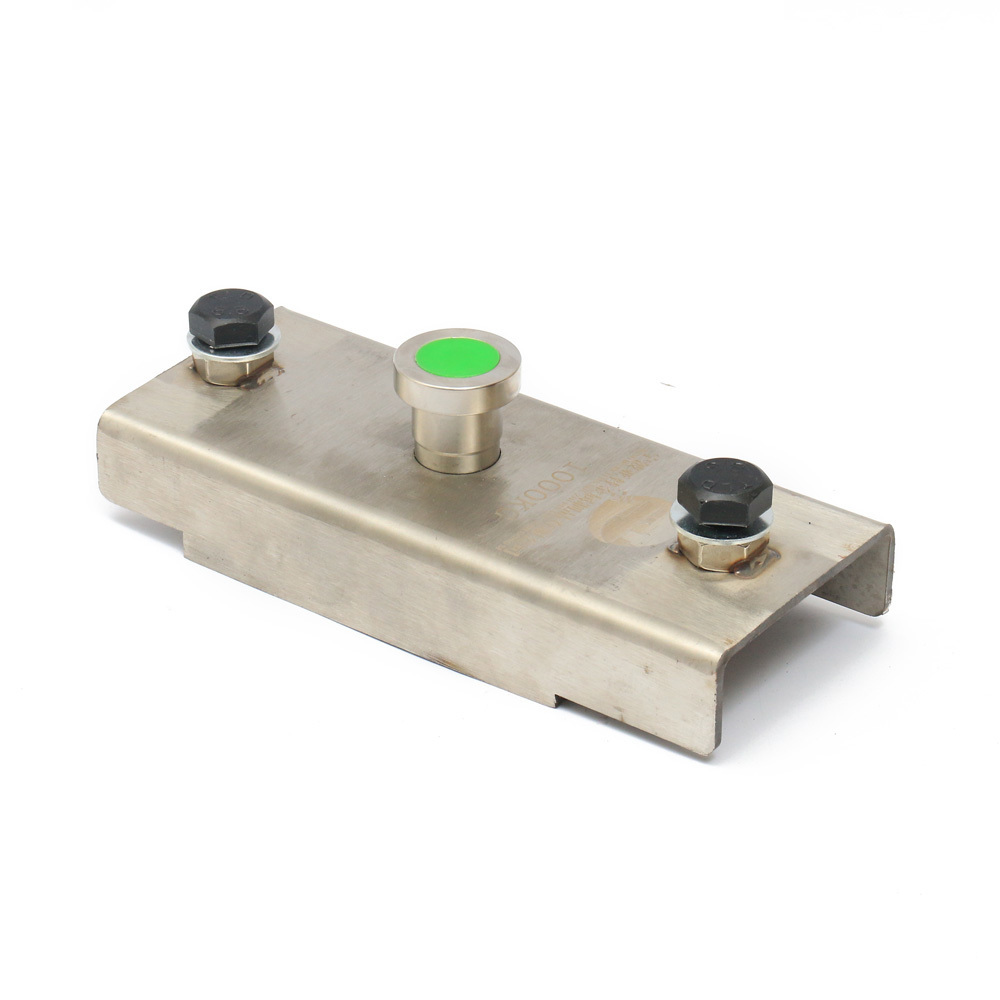
Precast slab magnets, as a highly efficient fixing device, play an increasingly important role in improving mold fixing stability.
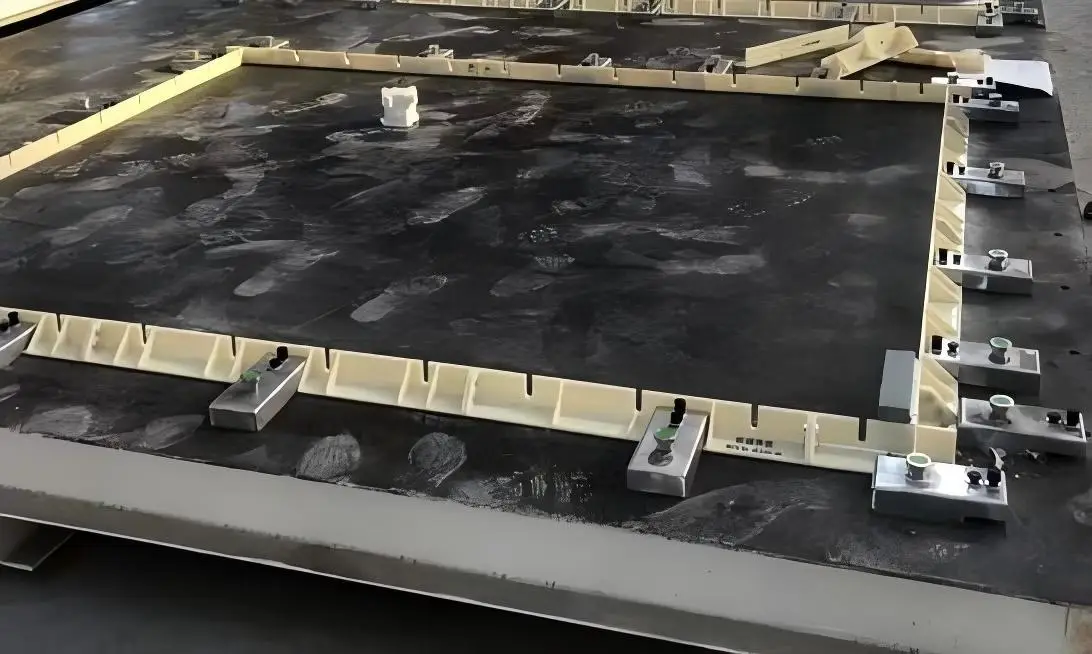
In the production of prefabricated buildings and precast concrete components, the stability of mold fixing directly affects the molding accuracy and production efficiency of the components. As precast components develop towards standardization and large-scale production, traditional fixing methods are gradually showing limitations in terms of flexibility and stability. Precast slab magnets, as a highly efficient fixing device, play an increasingly important role in improving mold fixing stability.

First, precast slab magnets provide continuous and uniform fixing force to the mold. During production, the mold needs to withstand multiple forces such as concrete pouring, vibration, and molding. Stable magnetic attraction allows the mold to firmly adhere to the mold table surface, reducing the possibility of displacement and loosening, thereby ensuring the stability of the mold throughout the molding process.
Second, precast slab magnets help improve the consistency of mold fixing. In mass production, molds need to be frequently disassembled and reused. Fixing via magnetic attraction avoids fixing deviations caused by differences in manual operation, making each mold positioning more accurate and stable, which is beneficial for maintaining the consistency of the size and shape of precast components.
From a production efficiency perspective, a stable mold fixation state helps reduce the need for adjustments and rework. When the mold is securely fixed, quality problems caused by displacement or deformation during production are significantly reduced, thereby improving overall production efficiency. This stability advantage is particularly prominent in continuous production and high-intensity operating environments.
Furthermore, precast slab magnets offer excellent flexibility in adapting to different mold combinations. By rationally arranging the magnet positions, diverse fixation schemes can be implemented according to the structural requirements of the components, while maintaining a stable fixation effect. This flexible and reliable fixation method provides strong support for the production of complex precast components.
From a quality control perspective, improved mold fixation stability contributes to the overall improvement of component molding quality. A stable mold state effectively reduces dimensional deviations and edge deformation problems, making the finished precast panels more in line with design requirements and laying a good foundation for subsequent assembly and construction.
Precast slab magnets play a significant role in improving mold fixation stability by providing stable and uniform fixing force, improving fixation consistency, and reducing uncertainties in the production process. With the continuous development of prefabricated buildings, the application value of precast slab magnets will become even more prominent.
MORE
18 Jan,2025
Magnetic Box Maintenance Notice Manual
21 Mar,2026
The Impact of Precast Magnets on Electrical Circuit Design: A Comprehensive Guide

Ningbo Yati Metal Products Co., Ltd.
No. 55, Meiliangqiao Village, Hengjie Town, Haishu District, Ningbo City, Zhejiang Province