Understanding Precast Formwork Magnet Boxes: A Comprehensive Guide
Precast formwork magnet boxes represent an innovative solution in the construction and prefabrication sectors, particularly when it comes to molding and securing concrete structures. These boxes utilize powerful magnetic forces to hold formwork in place, streamlining the construction process and ensuring precision. The adoption of precast formwork magnet boxes has revolutionized the way concrete c
Precast formwork magnet boxes represent an innovative solution in the construction and prefabrication sectors, particularly when it comes to molding and securing concrete structures. These boxes utilize powerful magnetic forces to hold formwork in place, streamlining the construction process and ensuring precision. The adoption of precast formwork magnet boxes has revolutionized the way concrete components are manufactured, promoting efficiency and reliability.
One of the primary advantages of using precast formwork magnet boxes is the speed at which they can be deployed. Traditional methods of securing formwork often involve cumbersome clamps and braces, which can be time-consuming to set up and adjust. In contrast, magnetic boxes provide a quick-release mechanism, allowing workers to position and adjust formwork rapidly. This not only reduces labor costs but also minimizes the risk of errors during installation.
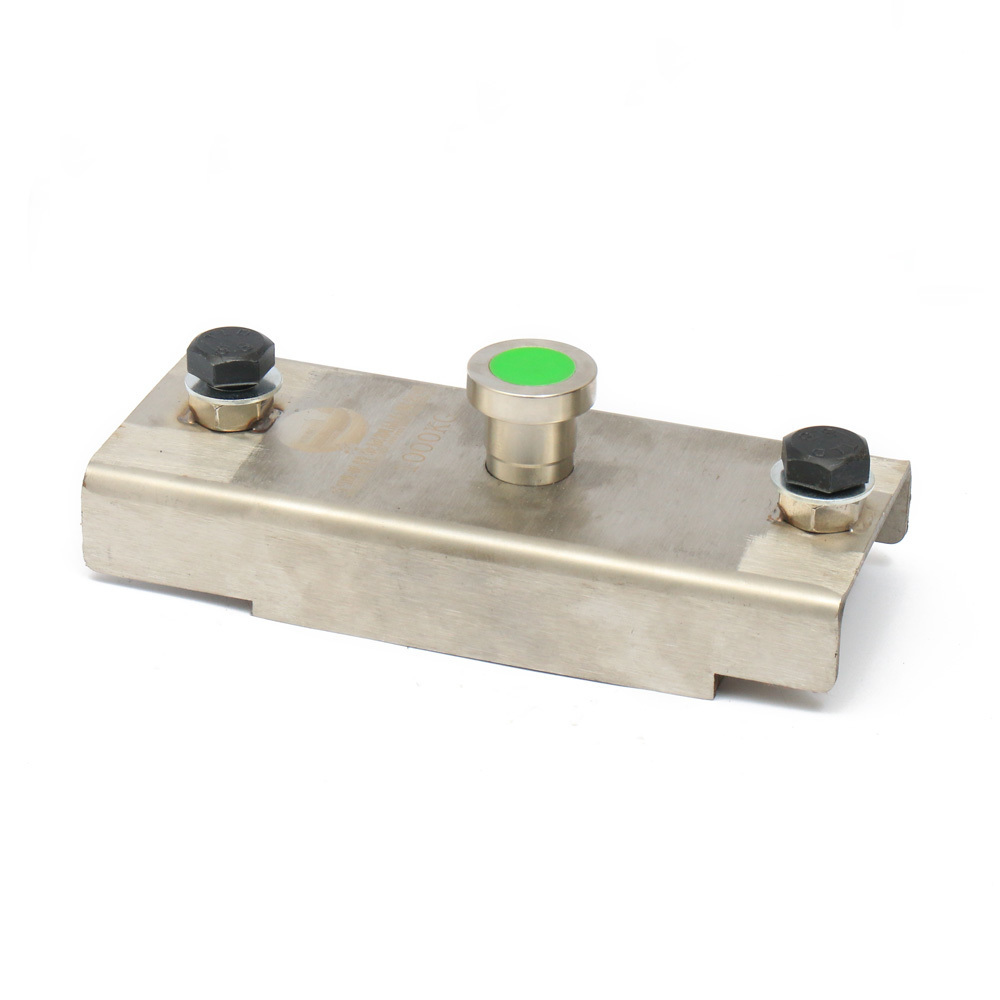
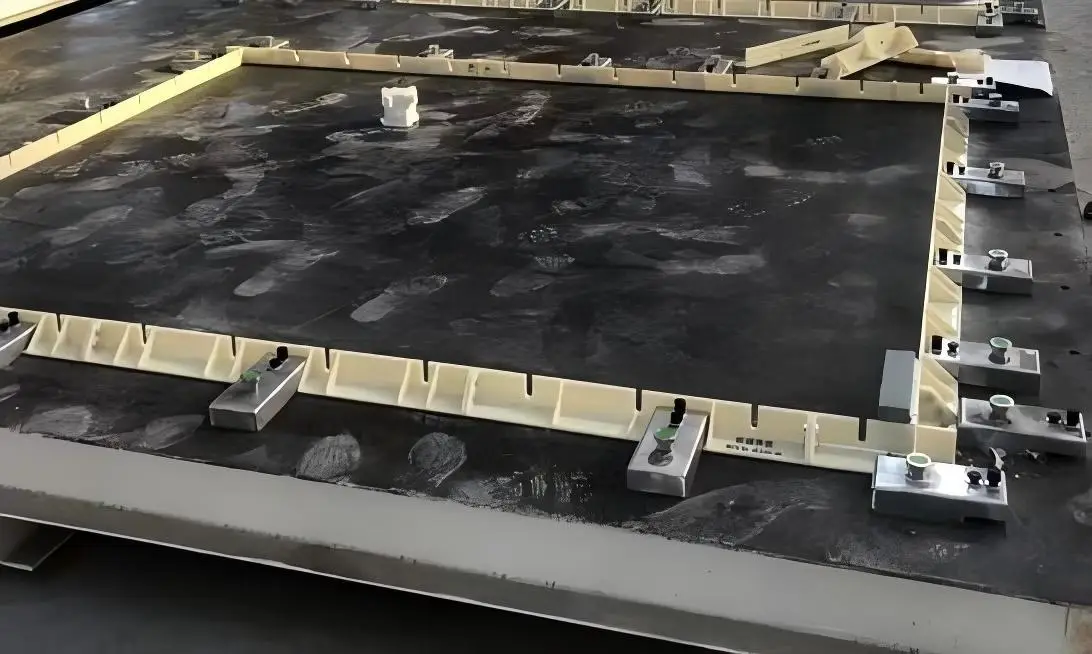
In addition to speed, precast formwork magnet boxes offer unparalleled flexibility. They can be easily repositioned to accommodate different shapes and sizes of formwork, making them suitable for various types of projects. Whether constructing walls, beams, or custom architectural elements, these magnetic boxes can adapt to meet specific project requirements. This versatility is especially beneficial in large-scale construction where multiple formwork configurations are often needed.
Moreover, the strong magnetic hold provided by these boxes ensures that formwork remains stable throughout the curing process, reducing the likelihood of deformation or misalignment. This stability is crucial in producing high-quality precast concrete products that meet stringent industry standards. By maintaining precise control over the alignment of the formwork, manufacturers can achieve enhanced surface finishes and structural integrity.
Another significant benefit of precast formwork magnet boxes is their durability and low maintenance needs. Made from robust materials, these boxes can withstand harsh construction environments. Unlike traditional formwork supports that may require frequent repairs or replacements, magnet boxes are designed for longevity, providing a cost-effective solution in the long run.
Safety is also a key consideration, and the use of magnetic force for securing formwork minimizes the risk of accidents associated with heavy lifting and complex assembling. Workers can handle formwork more safely and efficiently, fostering a better working environment on-site.
For companies in the electrical and magnetic materials industry, integrating precast formwork magnet boxes into their operations can lead to significant improvements in productivity and product quality. By leveraging advanced magnetic technology, businesses can streamline their manufacturing processes and enhance overall performance.
In summary, precast formwork magnet boxes are transforming the way concrete elements are fabricated and assembled. Their speed, versatility, durability, and safety features make them an indispensable tool for modern construction practices. Embracing this technology can yield substantial benefits for companies looking to stay competitive in the rapidly evolving landscape of construction and prefabrication.
MORE
18 Jan,2025
Magnetic Box Maintenance Notice Manual

03 Feb,2026
Precast Concrete Magnet: A Key Tool for Improving Production Efficiency of Prefabricated Components

Ningbo Yati Metal Products Co., Ltd.
No. 55, Meiliangqiao Village, Hengjie Town, Haishu District, Ningbo City, Zhejiang Province