Understanding Precast Magnets: Applications and Benefits in Electrical Engineering
Precast magnets are innovative components commonly used in the electrical engineering sector, particularly in applications involving magnetic materials. These magnets are pre-manufactured and designed to provide specific magnetic properties needed for various industrial tasks. The unique aspect of precast magnets lies in their ability to offer consistent performance and reliability, which is cruci
Precast magnets are innovative components commonly used in the electrical engineering sector, particularly in applications involving magnetic materials. These magnets are pre-manufactured and designed to provide specific magnetic properties needed for various industrial tasks. The unique aspect of precast magnets lies in their ability to offer consistent performance and reliability, which is crucial in electrical applications.
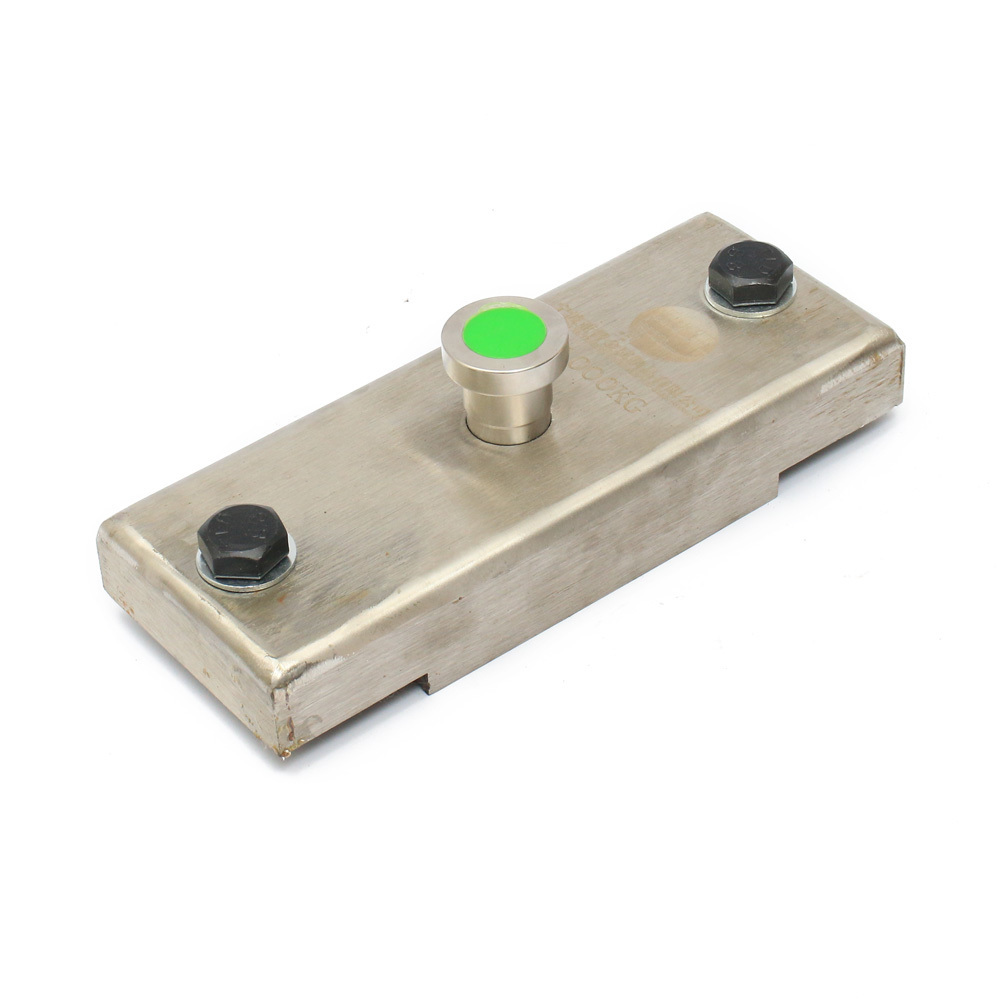
The production of precast magnets involves advanced techniques that allow for precise control over their magnetic characteristics. This includes their magnetic strength, directionality, and overall performance under different environmental conditions. Such precision enables engineers to utilize these magnets in a variety of applications, ensuring that they meet the specific needs of their projects.
One of the primary advantages of precast magnets is their ability to enhance energy efficiency in electrical systems. By optimizing magnetic fields, these components can improve the overall functionality of devices such as transformers, motors, and generators. This enhancement leads to reduced energy loss, which is essential for both cost savings and sustainability in electrical engineering.
Moreover, precast magnets are versatile and can be tailored to fit specific applications. Whether used in automotive systems, consumer electronics, or industrial machinery, these magnets can be designed to meet the unique demands of each project. This adaptability makes them a preferred choice for engineers looking to optimize their designs for performance and reliability.
In addition to performance benefits, precast magnets can also contribute to safer electrical systems. By ensuring that magnetic fields are precisely controlled, the risk of electromagnetic interference (EMI) can be minimized. This is particularly important in sensitive electronic applications, where unwanted interference can lead to malfunctions or reduced performance.
Another consideration is the ease of integration. Since precast magnets are manufactured to specific dimensions and specifications, they can be easily incorporated into existing designs without the need for extensive modifications. This feature not only saves time during the design process but also helps in maintaining the integrity of the overall system.
In conclusion, precast magnets represent a powerful tool in the arsenal of electrical engineers working with magnetic materials. Their ability to provide consistent performance, enhance energy efficiency, and adapt to various applications makes them an invaluable asset in modern electrical engineering projects. Whether for industrial applications or consumer electronics, understanding the benefits and uses of precast magnets can lead to better design choices and improved outcomes.
MORE
18 Jan,2025
Magnetic Box Maintenance Notice Manual

03 Feb,2026
Precast Concrete Magnet: A Key Tool for Improving Production Efficiency of Prefabricated Components

Ningbo Yati Metal Products Co., Ltd.
No. 55, Meiliangqiao Village, Hengjie Town, Haishu District, Ningbo City, Zhejiang Province