The Impact of Precast Formwork Magnets on the Dimensional Accuracy of Precast Components
With the rapid development of prefabricated buildings, the production quality of precast concrete components has become a crucial issue of concern in the industry. Among these, the dimensional accuracy of the components directly affects the smoothness of subsequent on-site installation and the safety of the overall structure. In the precast component production process, the formwork fixing method plays a key role in dimensional control. Precast formwork magnets, as an efficient formwork fixing tool, are widely used in precast component production due to their convenient installation and precise positioning.
With the rapid development of prefabricated buildings, the production quality of precast concrete components has become a crucial issue of concern in the industry. Among these, the dimensional accuracy of the components directly affects the smoothness of subsequent on-site installation and the safety of the overall structure. In the precast component production process, the formwork fixing method plays a key role in dimensional control. Precast formwork magnets, as an efficient formwork fixing tool, are widely used in precast component production due to their convenient installation and precise positioning.
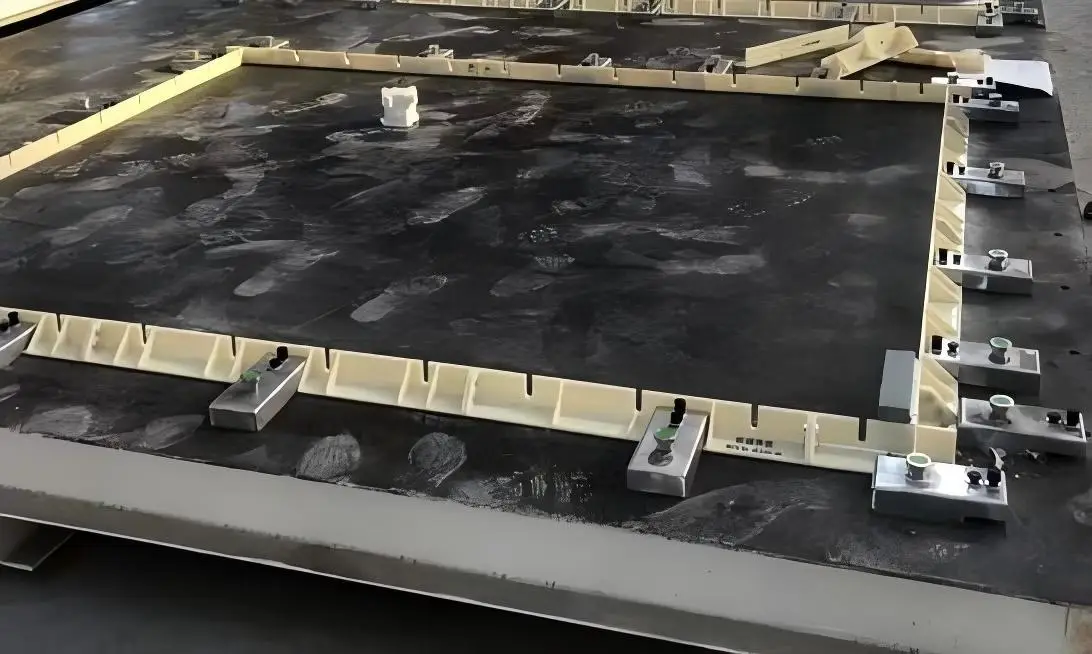
Precast formwork magnets provide a stable and powerful magnetic fixing effect. During the precast component production process, the formwork needs to be firmly fixed to a steel formwork platform to prevent displacement during concrete pouring. If the formwork moves during pouring or vibration, it will lead to dimensional deviations or even deformation of the component. Precast formwork magnets use strong magnets to tightly adhere to the steel formwork platform, keeping the formwork in a stable position and effectively ensuring the dimensional accuracy of the component.
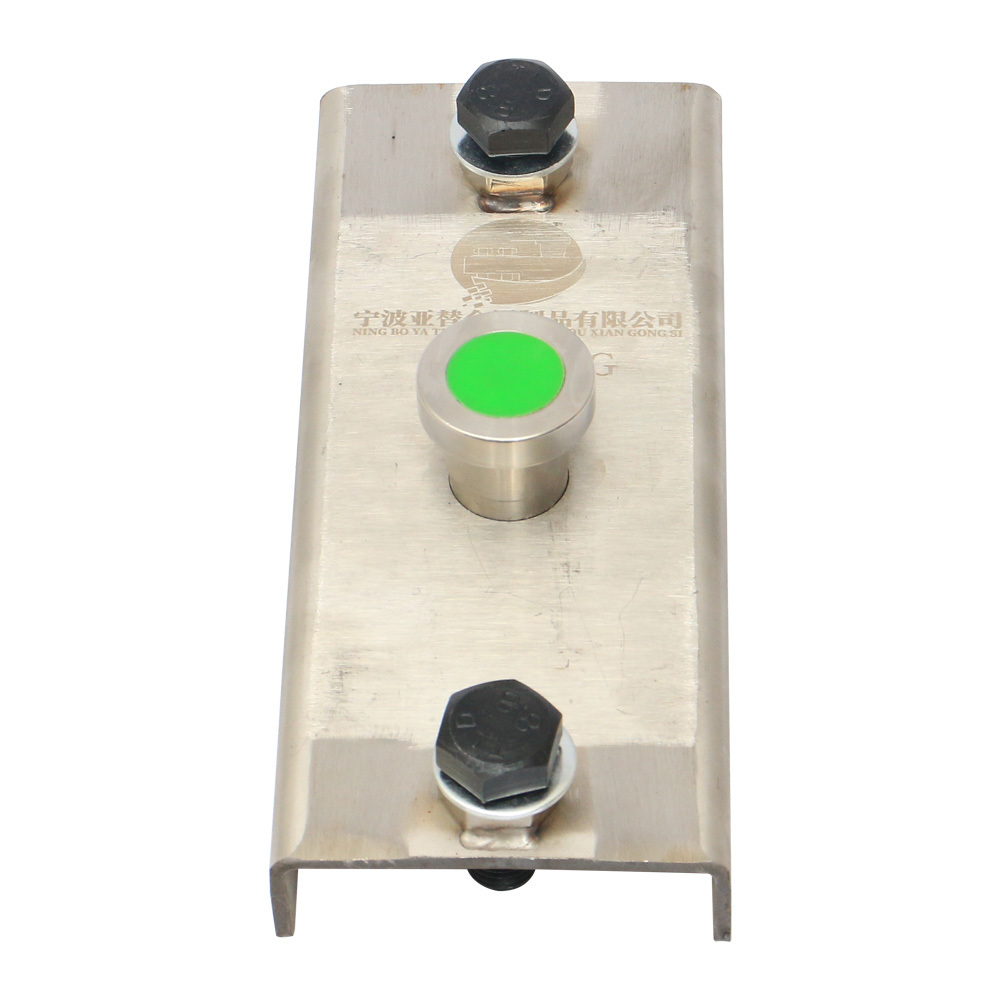
Precast formwork magnets offer high flexibility in formwork positioning. Compared with traditional welding or bolt fixing methods, the magnets can quickly adjust their position according to production needs, achieving precise positioning. This flexible installation method not only improves template installation efficiency but also allows for rapid adjustments to the template layout when producing components of different specifications, reducing errors caused by repeated measurements and fixing, thereby further improving the accuracy of component dimensions.
During vibration molding, concrete vibration exerts a certain impact force on the template. High-quality precast formwork magnets have a stable magnetic structure, maintaining firm adhesion in a vibrating environment and preventing template loosening or displacement. The stable template structure provides favorable conditions for uniform concrete molding, ensuring neat edges and consistent dimensions of precast components.
From a production management perspective, the application of precast formwork magnets also improves the standardization of the production process. Through a unified magnetic box fixing method, template installation positions are more standardized, facilitating the formation of standardized production processes. This not only reduces human error but also improves overall production quality control capabilities.
Precast formwork magnets have a significant impact on dimensional accuracy in precast component production. By providing stable magnetic fixing, flexible template positioning, and excellent vibration resistance, this equipment effectively improves the dimensional control level of precast components. With the continuous development of the prefabricated building industry, prefabricated formwork boxes will play an increasingly important role in improving production efficiency and ensuring component quality.
MORE
18 Jan,2025
Magnetic Box Maintenance Notice Manual
15 Mar,2026
Maximizing Efficiency with Strong Magnetic Boxes for Formwork

Ningbo Yati Metal Products Co., Ltd.
No. 55, Meiliangqiao Village, Hengjie Town, Haishu District, Ningbo City, Zhejiang Province