The Science Behind Magnetic Shuttering: An In-Depth Look at Magnetic Materials and Their Applications
The Science Behind Magnetic Shuttering: An In-Depth Look Table of Contents What is Magnetic Shuttering? Understanding Magnetic Materials Types of Magnetic Materials Principles of Magnetic Shuttering Applications of Magnetic Shuttering Benefits of Using Magnetic Shuttering Challenges and Limitations The Future of Magnetic Shuttering Frequently Asked Questions W
The Science Behind Magnetic Shuttering: An In-Depth Look
Table of Contents
- What is Magnetic Shuttering?
- Understanding Magnetic Materials
- Types of Magnetic Materials
- Principles of Magnetic Shuttering
- Applications of Magnetic Shuttering
- Benefits of Using Magnetic Shuttering
- Challenges and Limitations
- The Future of Magnetic Shuttering
- Frequently Asked Questions
What is Magnetic Shuttering?
Magnetic shuttering refers to the innovative use of **magnetic materials** in the design and operation of shuttering systems that control light and energy flow. By leveraging the unique properties of these materials, magnetic shuttering provides efficient and effective solutions in various applications, including lighting, display technologies, and energy management.
Understanding Magnetic Materials
Magnetic materials possess the ability to be magnetized and are fundamental to the operation of many technological devices. These materials interact with magnetic fields, influencing the movement of electrons and other charged particles. **Ferromagnetism**, **paramagnetism**, and **diamagnetism** are the three primary types of magnetic behavior exhibited by materials, each with distinct properties and applications.
Ferromagnetic Materials
Ferromagnetic materials, such as iron, cobalt, and nickel, can retain magnetization even after the external magnetic field is removed. Their high magnetic permeability makes them ideal for applications requiring strong and permanent magnets.
Paramagnetic Materials
Paramagnetic materials exhibit weak magnetic behavior and do not retain magnetization in the absence of a magnetic field. Materials like aluminum and platinum fall into this category and are often used in sensitive applications where precise magnetic control is necessary.
Diamagnetic Materials
Diamagnetic materials display a weak repulsion to magnetic fields and do not retain magnetization. Examples include copper and bismuth. These materials are typically utilized to create non-magnetic environments or in applications where interference from magnetic fields must be minimized.
Types of Magnetic Materials
Magnetic materials can be broadly categorized into several types based on their magnetic properties and applications. Understanding these categories is essential for selecting the right material for specific magnetic shuttering solutions.
Soft Magnetic Materials
Soft magnetic materials, such as silicon steel and ferrites, can be easily magnetized and demagnetized. These materials are commonly used in transformers, inductors, and magnetic shuttering systems where rapid changes in magnetization are required.
Hard Magnetic Materials
Hard magnetic materials, like neodymium magnets, are characterized by their strong and permanent magnetic properties. They are used in applications where a constant magnetic field is necessary, such as in motors, generators, and magnetic locks.
Composite Magnetic Materials
Composite magnetic materials combine different magnetic properties to achieve specific functionalities. These materials offer enhanced performance in various applications, providing flexibility and efficiency in magnetic shuttering designs.
Principles of Magnetic Shuttering
Magnetic shuttering operates on fundamental principles of magnetism and electromagnetism. Understanding these principles is crucial for comprehending how magnetic shuttering systems function.
Magnetic Field Generation
Magnetic fields are generated by the movement of electric charges, typically through electric currents. In magnetic shuttering systems, coils or conductive materials create these fields, allowing for precise control over the magnetic environment.
Magnetization and Demagnetization
The ability to magnetize and demagnetize materials is at the core of magnetic shuttering technology. By applying an external magnetic field, materials can be switched between magnetized and non-magnetized states. This process enables real-time control over light and energy flow.
Light and Energy Control
Magnetic shuttering systems use magnetic fields to manipulate the passage of light and energy. By controlling the magnetization of specific components, these systems can open or close pathways for light, effectively regulating brightness and energy consumption.
Applications of Magnetic Shuttering
The versatility of magnetic shuttering technology has led to its adoption in various industries and applications. Here are some notable examples:
Lighting Control Systems
Magnetic shuttering is extensively used in **lighting control systems** to adjust brightness levels and enhance energy efficiency. By utilizing magnetic materials, these systems can quickly respond to changing lighting needs, providing optimal illumination while minimizing energy consumption.
Display Technologies
In modern display technologies, such as LCD and OLED screens, magnetic shuttering plays a pivotal role in controlling pixel brightness and color accuracy. The precise manipulation of light via magnetic fields enhances the overall visual experience for users.
Energy Management Systems
Energy management systems leverage magnetic shuttering to optimize energy consumption in various applications. By controlling light pathways and reducing unnecessary energy waste, these systems contribute to sustainable practices and environmental conservation.
Magnetic Security Systems
Magnetic shuttering technology is also utilized in security systems, where it aids in the development of magnetic locks and barriers. These systems provide enhanced security features while allowing for quick and efficient access control.
Benefits of Using Magnetic Shuttering
The adoption of magnetic shuttering technology offers numerous advantages across different applications.
Energy Efficiency
Magnetic shuttering systems are designed to optimize energy usage by controlling light flow more effectively. This efficiency translates into reduced energy costs and a lower carbon footprint.
Precision and Control
Magnetic shuttering provides unparalleled precision in regulating light and energy flow. This level of control enhances user experience in various applications, from lighting systems to display technologies.
Durability and Longevity
Magnetic materials are inherently robust, offering long-lasting performance in demanding applications. This durability reduces the need for frequent replacements, thereby lowering maintenance costs.
Versatility
The adaptability of magnetic shuttering technology allows it to be integrated into numerous systems, making it suitable for a wide range of industries and use cases.
Challenges and Limitations
Despite its many advantages, magnetic shuttering technology also faces certain challenges and limitations.
Material Selection
Choosing the right magnetic material is crucial for optimal performance. Factors such as cost, availability, and specific application requirements can limit options for manufacturers and designers.
Temperature Sensitivity
Many magnetic materials exhibit temperature sensitivity, which can affect their performance in high-temperature environments. Careful consideration of operating conditions is essential to ensure reliability.
Complexity of Integration
Integrating magnetic shuttering systems into existing technologies can be complex and may require specialized knowledge. This complexity can hinder widespread adoption in some applications.
The Future of Magnetic Shuttering
As technology continues to advance, the future of magnetic shuttering looks promising. Researchers and engineers are exploring innovative ways to enhance the efficiency and functionality of magnetic materials, paving the way for even more applications.
Smart Magnetic Systems
The integration of smart technologies with magnetic shuttering systems is on the rise. These systems can adapt in real-time to environmental changes, further optimizing energy consumption and user experience.
Research and Development
Ongoing research into new magnetic materials and composites promises to expand the capabilities of magnetic shuttering technology. Innovations in this field may lead to enhanced performance, reduced costs, and broader applications.
Frequently Asked Questions
1. What are the primary benefits of magnetic shuttering?
Magnetic shuttering offers benefits such as energy efficiency, precision in controlling light and energy flow, durability, and versatility in application.
2. How does magnetic shuttering work in lighting control systems?
Magnetic shuttering uses magnetic fields to control the magnetization of components, regulating the passage of light and adjusting brightness levels in lighting systems.
3. Can magnetic shuttering be used in security applications?
Yes, magnetic shuttering technology is employed in security systems, particularly in the creation of magnetic locks and barriers, enhancing security features.
4. What are the challenges associated with magnetic shuttering?
Challenges include material selection, temperature sensitivity, and the complexity of integrating magnetic shuttering systems into existing technologies.
5. What does the future hold for magnetic shuttering technology?
The future is bright, with advancements in smart technologies and ongoing research into new materials promising to enhance the efficiency and applications of magnetic shuttering.
Conclusion
Magnetic shuttering represents a significant advancement in the field of magnetic materials and their applications. By understanding the science behind magnetic shuttering, including the types of magnetic materials, their principles of operation, and their diverse applications, we gain insight into how this technology revolutionizes various industries. As we look to the future, the potential for further innovations in magnetic shuttering technology remains vast, promising exciting developments that can shape our world for the better.
MORE
18 Jan,2025
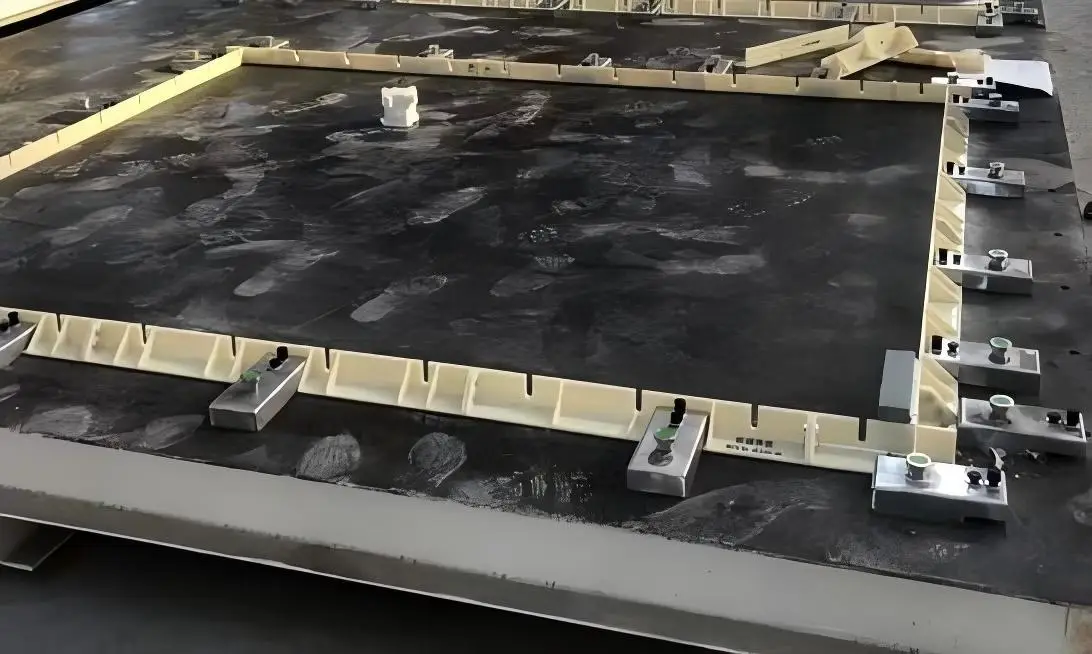
Magnetic Box Maintenance Notice Manual
Before using the magnetic box, check whether the bottom of the magnetic block and the platform are clean and flat.
DETAILS
25 Mar,2026
The Science Behind Magnetic Shuttering: An In-Depth Look
Table of Contents
What is Magnetic Shuttering?
Understanding Magnetic Materials
Types of Magnetic Materials
Principles of Magnetic Shuttering
Applications of Magnetic Shuttering
Benefits of Using Magnetic Shuttering
Challenges and Limitations
The Future of Magnetic Shuttering
Frequently Asked Questions
W
DETAILS

Ningbo Yati Metal Products Co., Ltd.
No. 55, Meiliangqiao Village, Hengjie Town, Haishu District, Ningbo City, Zhejiang Province