Unlocking the Potential of Precast Formwork Magnets in Electrical Applications
Precast formwork magnets have emerged as invaluable tools in the electrical and construction industries, offering a range of advantages that enhance the efficiency of projects. These magnets are specifically designed to facilitate the creation of precast concrete structures, providing a simple yet effective solution for securing formwork in place during the casting process. One of the primary ben
Precast formwork magnets have emerged as invaluable tools in the electrical and construction industries, offering a range of advantages that enhance the efficiency of projects. These magnets are specifically designed to facilitate the creation of precast concrete structures, providing a simple yet effective solution for securing formwork in place during the casting process.
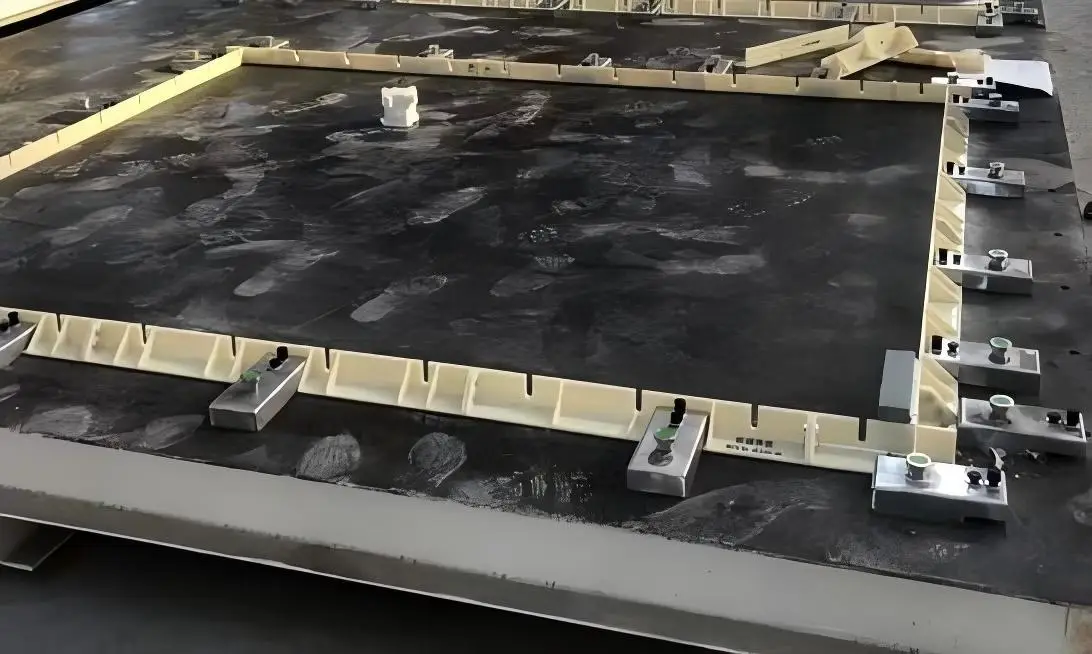
One of the primary benefits of precast formwork magnets is their ease of use. They allow for quick setup and adjustment, which can significantly reduce labor costs and time on-site. The magnets adhere firmly to steel formwork, ensuring precise alignment and stability during the pouring of concrete. This not only decreases the risk of errors but also enhances the overall quality of the precast components.
Moreover, the strength of these magnets allows for the handling of heavy formwork panels without the need for additional mechanical aids. This can lead to a more streamlined workflow, as workers can reposition and secure formwork systems independently, minimizing the reliance on cranes or lifts. Consequently, projects can proceed at a faster pace, which is critical in meeting tight deadlines.
In the context of electrical applications, precast formwork magnets can also play a role in the integration of electrical conduits and other installations within concrete structures. By strategically placing magnets, engineers can embed conduits directly into the concrete, ensuring that they are well-protected and positioned accurately. This approach not only simplifies the installation process but also enhances safety and durability, as the electrical components are shielded from environmental factors.
From an environmental standpoint, precast formwork magnets promote sustainability in construction practices. By facilitating the rapid assembly and disassembly of formwork, these magnets contribute to reduced waste and resource efficiency. The ability to reuse formwork components multiple times without significant wear and tear also aligns with the ongoing push for greener building methods.
In conclusion, the application of precast formwork magnets in the electrical engineering field exemplifies innovation and efficiency. Their ability to enhance workflow, ensure precise installations, and promote sustainable practices makes them a valuable asset for professionals in the industry. As construction continues to evolve, the incorporation of such advanced materials will play a pivotal role in shaping the future of electrical and construction projects alike. By understanding the unique advantages of precast formwork magnets, professionals can leverage their potential to optimize processes and improve outcomes in their projects.
One of the primary benefits of precast formwork magnets is their ease of use. They allow for quick setup and adjustment, which can significantly reduce labor costs and time on-site. The magnets adhere firmly to steel formwork, ensuring precise alignment and stability during the pouring of concrete. This not only decreases the risk of errors but also enhances the overall quality of the precast components.
Moreover, the strength of these magnets allows for the handling of heavy formwork panels without the need for additional mechanical aids. This can lead to a more streamlined workflow, as workers can reposition and secure formwork systems independently, minimizing the reliance on cranes or lifts. Consequently, projects can proceed at a faster pace, which is critical in meeting tight deadlines.
In the context of electrical applications, precast formwork magnets can also play a role in the integration of electrical conduits and other installations within concrete structures. By strategically placing magnets, engineers can embed conduits directly into the concrete, ensuring that they are well-protected and positioned accurately. This approach not only simplifies the installation process but also enhances safety and durability, as the electrical components are shielded from environmental factors.
From an environmental standpoint, precast formwork magnets promote sustainability in construction practices. By facilitating the rapid assembly and disassembly of formwork, these magnets contribute to reduced waste and resource efficiency. The ability to reuse formwork components multiple times without significant wear and tear also aligns with the ongoing push for greener building methods.
In conclusion, the application of precast formwork magnets in the electrical engineering field exemplifies innovation and efficiency. Their ability to enhance workflow, ensure precise installations, and promote sustainable practices makes them a valuable asset for professionals in the industry. As construction continues to evolve, the incorporation of such advanced materials will play a pivotal role in shaping the future of electrical and construction projects alike. By understanding the unique advantages of precast formwork magnets, professionals can leverage their potential to optimize processes and improve outcomes in their projects.
MORE
18 Jan,2025
Magnetic Box Maintenance Notice Manual
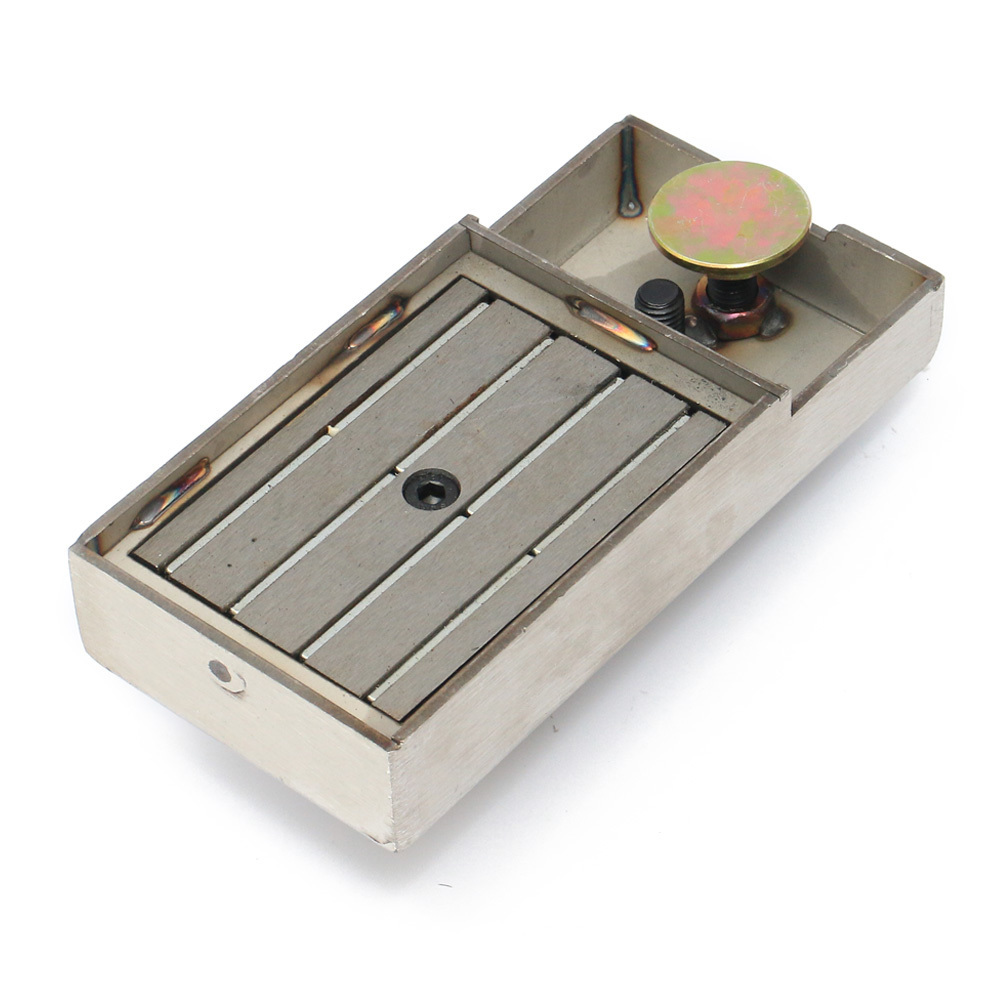
Before using the magnetic box, check whether the bottom of the magnetic block and the platform are clean and flat.
DETAILS
27 Mar,2026
Unlocking the Potential of Precast Formwork Magnets in Electrical Applications

Precast formwork magnets have emerged as invaluable tools in the electrical and construction industries, offering a range of advantages that enhance the efficiency of projects. These magnets are specifically designed to facilitate the creation of precast concrete structures, providing a simple yet effective solution for securing formwork in place during the casting process.
One of the primary ben
DETAILS