Formwork Magnets: Revolutionizing the Way We Approach Electrical Projects
Formwork Magnets: Revolutionizing the Way We Approach Electrical Projects Table of Contents Introduction to Formwork Magnets What Are Formwork Magnets? Benefits of Using Formwork Magnets in Electrical Projects Applications of Formwork Magnets in Electrical Engineering How to Choose the Right Formwork Magnet for Your Project Installation and Usage Tips for Formwork Magnets Safety Con
Formwork Magnets: Revolutionizing the Way We Approach Electrical Projects
Table of Contents
- Introduction to Formwork Magnets
- What Are Formwork Magnets?
- Benefits of Using Formwork Magnets in Electrical Projects
- Applications of Formwork Magnets in Electrical Engineering
- How to Choose the Right Formwork Magnet for Your Project
- Installation and Usage Tips for Formwork Magnets
- Safety Considerations When Using Formwork Magnets
- The Future of Formwork Magnets in Electrical Projects
- Frequently Asked Questions
- Conclusion
Introduction to Formwork Magnets
In the world of electrical projects, efficiency and precision are paramount. With advancements in technology, traditional methods are being challenged by innovative solutions. One such advancement is the **formwork magnet**, a tool that has started to revolutionize how electrical engineers approach their projects. Understanding this tool's role can help engineers and contractors enhance their workflow, reduce costs, and improve the overall quality of their work.
What Are Formwork Magnets?
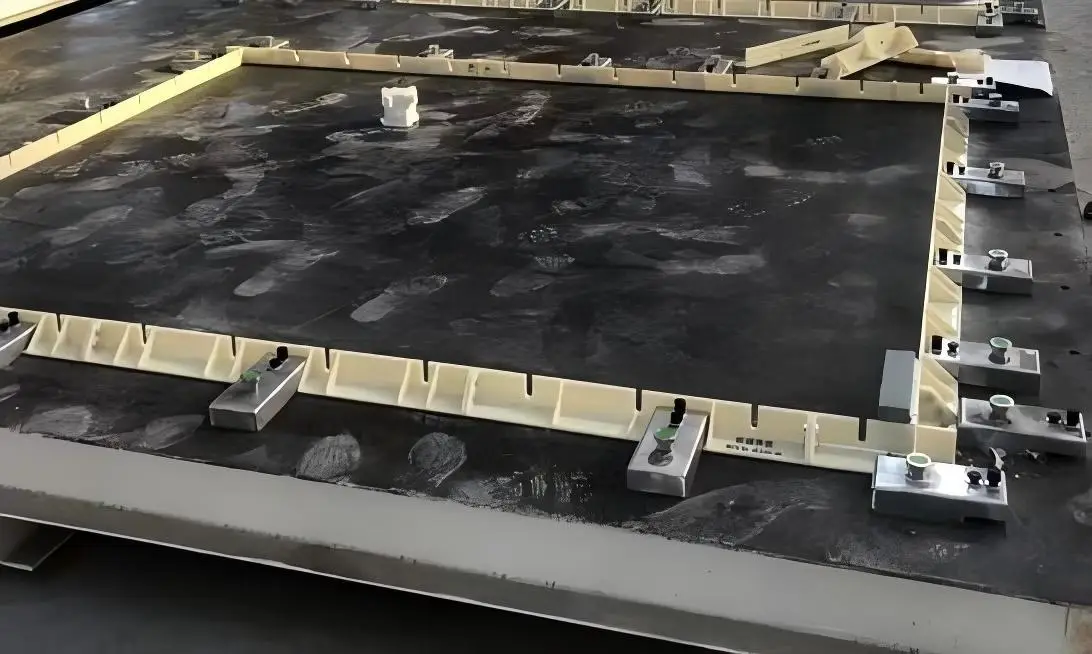
**Formwork magnets** are specialized magnetic devices designed to hold formwork in place during the construction of concrete structures. These magnets are particularly valuable in prefabricated construction, where speed and accuracy are essential. By using strong magnets, engineers can secure formwork without the need for traditional clamps or mechanical fasteners. This method not only saves time but also provides a cleaner and more efficient working environment.
How Do Formwork Magnets Work?
Formwork magnets operate on the principles of magnetism. Each magnet is equipped with a strong magnetic field that can adhere to ferromagnetic materials, like steel. When placed against a metal surface, they create a secure hold, allowing the formwork to remain stable during the pouring and curing of concrete. Many of these magnets come with adjustable strengths, making them versatile for various applications.
Benefits of Using Formwork Magnets in Electrical Projects
Incorporating formwork magnets into electrical projects brings numerous advantages:
1. Increased Efficiency
Using formwork magnets can significantly reduce the time needed for setup and teardown. Traditional formwork methods often involve multiple components and manual labor. In contrast, magnets can be quickly adjusted and repositioned, which streamlines the entire process.
2. Enhanced Safety
Safety is a top priority in electrical projects. Formwork magnets minimize the risk of accidents associated with loose or improperly secured formwork. By providing a stable and robust hold, these magnets help ensure that the working environment remains safe for all workers.
3. Cost-Effectiveness
While the initial investment in formwork magnets may seem high, the long-term savings are substantial. Reducing labor time and minimizing material waste translates into financial savings. Additionally, the durability of magnets means they can be reused for multiple projects.
4. Precision and Quality
Formwork magnets allow for precise placement of formwork, ensuring that the dimensions of the concrete structure meet specifications. This accuracy improves the overall quality of work, leading to fewer errors and reworks.
Applications of Formwork Magnets in Electrical Engineering
Formwork magnets are versatile tools that can be employed in various areas of electrical engineering:
1. Prefabricated Concrete Structures
In prefabricated construction, formwork magnets play a crucial role in securing forms for walls, floors, and other structural components. They enable faster production times while maintaining high-quality standards.
2. Electrical Enclosures
When constructing electrical enclosures, precise formwork is necessary to ensure proper fit and function. Formwork magnets can hold forms in place, reducing the risk of misalignment and enhancing the overall quality of the enclosure.
3. Foundation and Slab Work
For foundation and slab work, formwork magnets provide the stability needed during concrete pouring. Their strong hold prevents movement, ensuring that the poured concrete sets correctly.
4. Specialty Applications
Formwork magnets can also be used in specialized applications, such as creating custom shapes or angles in concrete. Their flexibility allows engineers to explore innovative designs while maintaining structural integrity.
How to Choose the Right Formwork Magnet for Your Project
Selecting the appropriate formwork magnet involves considering several factors:
1. Magnetic Strength
The strength of the magnet is crucial, depending on the weight of the formwork and the type of materials being used. Ensure the magnets selected can support the weight and maintain stability throughout the project.
2. Size and Shape
Formwork magnets come in various sizes and shapes. Choose those that best suit the specific needs of your project, ensuring they can easily fit into the required spaces.
3. Durability
Look for magnets made from high-quality materials to ensure they can withstand the rigors of construction sites. Durable magnets will last longer and provide better value over time.
4. Adjustability
Some magnets offer adjustable magnetic strength, which can be beneficial for different applications. Consider whether adjustable magnets would enhance flexibility on your project.
Installation and Usage Tips for Formwork Magnets
Using formwork magnets effectively requires proper installation and usage. Here are some tips to ensure successful implementation:
1. Clean Surfaces
Before applying formwork magnets, ensure that both the magnet and the surface are clean and free from debris. This will enhance the magnetic hold and ensure stability.
2. Test Magnetic Strength
Before commencing work, test the magnetic strength to confirm that it holds the intended weight without slipping. This testing phase is crucial for safety.
3. Positioning
Position the magnets strategically to balance the weight and ensure an even distribution. This method will enhance stability during the concrete pouring process.
4. Regular Inspection
During the project, regularly inspect the magnets for wear and tear. Address any issues immediately to maintain safety and effectiveness.
Safety Considerations When Using Formwork Magnets
While formwork magnets enhance safety, there are still precautions to consider:
1. Personal Protective Equipment (PPE)
Always wear appropriate PPE when working with heavy materials and tools. Gloves, helmets, and safety glasses can prevent injuries.
2. Awareness of Surroundings
Stay aware of your surroundings when using magnets, as loose clothing or tools can become entangled in machinery or materials.
3. Follow Manufacturer Instructions
Always adhere to the manufacturer's instructions regarding the proper use and maintenance of formwork magnets.
The Future of Formwork Magnets in Electrical Projects
As technology continues to advance, we can expect further innovations in formwork magnet design and functionality. Potential developments include:
1. Smart Magnets
The incorporation of smart technology could lead to magnets that can adjust their strength based on real-time conditions, enhancing safety and efficiency.
2. Eco-Friendly Materials
Future magnets may be developed using sustainable materials, contributing to greener construction practices.
3. Integrated Systems
We might see the integration of formwork magnets into comprehensive construction management systems, allowing for better tracking and planning throughout projects.
Frequently Asked Questions
1. What are the primary uses of formwork magnets?
Formwork magnets are primarily used to secure formwork in place during the pouring of concrete in various construction applications, including prefabricated structures and electrical enclosures.
2. Can formwork magnets be reused?
Yes, formwork magnets are designed to be durable and can be reused across multiple projects, providing a cost-effective solution.
3. How do I ensure the safety of using formwork magnets?
Safety can be ensured by wearing appropriate PPE, keeping work areas clean, and regularly inspecting the magnets for wear and tear.
4. What factors should I consider when buying formwork magnets?
When buying formwork magnets, consider magnetic strength, size, durability, and adjustability to suit your project's needs.
5. Are there limits to the weight of formwork that magnets can hold?
Yes, the weight limits depend on the strength of the magnets and the type of surface they are attached to. Always consult the manufacturer's specifications before use.
Conclusion
**Formwork magnets** are revolutionizing how electrical projects are approached, offering increased efficiency, safety, and precision. By understanding their benefits and applications, electrical engineers and contractors can leverage this technology to enhance project outcomes. As the industry evolves, the potential for innovative uses of formwork magnets continues to grow, making them an essential tool for modern electrical engineering. Embrace this technology, and watch your projects reach new heights of effectiveness and quality.
MORE
18 Jan,2025
Magnetic Box Maintenance Notice Manual

29 Mar,2026
Formwork Magnets: Revolutionizing the Way We Approach Electrical Projects

Ningbo Yati Metal Products Co., Ltd.
No. 55, Meiliangqiao Village, Hengjie Town, Haishu District, Ningbo City, Zhejiang Province